
Golden Age Hip Hop (From a Gen Z Perspective)
Culture
In this section, I’m diving into the TV shows people were watching, the hairstyles that defined the streets (like the iconic high-top fade), and the magazines like The Source and HipHop Connection that connected fans before the internet. All of it painted a bigger picture of what hip-hop meant to people style, expression, and community.
Pagers, (Beepers)
"Back in the days when I was a tennager, before I had status and before I had a pager..."
The idea of using a pager almost feels like something out of a vintage sci fi movie. But the more I dive into ‘90s hip hop culture, the more I realize how iconic pagers, or beepers, really were. Not just as a tech flex, but as a fullmon cultural statement.
Before texting or DMs were even a thing, pagers were the way to stay in the loop. If your beeper buzzed, it meant someone wanted to talk, but not just in a casual way. It meant urgency, movement, or sometimes even something shady depending on the number code. In a lot of ways, the pager was like a status symbol. If you had one clipped to your jeans or belt, it said you were somebody. A Hustler, professional, or just popular, it meant people needed your attention.
What’s really dope is how often pagers are referenced in ‘90s rap tracks. You’ll hear Q Tip , Ice Cube, or Nas drop lines about their beepers going off, and it hits different when you understand what that really meant back then. It wasn’t just a notification, it was tied to the streets, to business, to relationships. It represented connection in a disconnected world, way before social media took over.
And honestly, there’s something kind of cool and mysterious about the whole vibe. You’d get a numeric code and have to find a payphone or landline to return the call. There was effort involved, and that made communication more intentional. It wasn’t about likes or replies, it was about real-time response with limited access, which made everything feel more important.
Just from a style perspective, pagers became part of the fit. Whether you were rocking baggy jeans, a bomber jacket, or a Kangol, a pager on your hip completed the look. It was one of those little things that captured the intersection of tech, fashion, and music, something I don’t think we appreciate enough today.


Boom Box
when I first saw a 90s boombox in an old school hip-hop music video, I was like, that is huge!, what is that? This massive, boxy stereo with huge speakers, buttons, and cassette decks looked like something straight out of a retro video game. But the more I learned, the more I realized.
The boombox wasn’t just a way to play music, it was a lifestyle. Back in the day, if you had a boombox, you were basically the DJ of the streets. It didn’t matter if you were on the corner, in the park, or on the subwaywhen someone showed up with a boombox, the vibe shifted. You could blast the newest mixtape or break out a freestyle cypher on the spot. It was raw energy, out loud, unfiltered.
You couldn’t hide your taste in music you shared it. It brought people together. Breakdancers would form a circle, heads would nod, and conversations would start. Today, we scroll past people’s playlists on IG stories, but back then? You heard someone walking down the block with a boombox, and you knew who they were before they said a word.
And aesthetically?
To me, the boombox represents everything we’ve kind of lost in the digital age: physicality, presence, and connection. It wasn’t just about listening to music it was about feeling it with the people around you. And in a world full of earbuds and algorithms, there’s something dope about that.


Cassetes
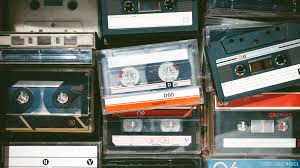

Once I started diving into 90s hip hop, I kept seeing those gritty cassette covers, hearing shoutouts to tapes in songs, and watching old footage of people trading them like gold. That’s when I realized hip hop cassettes weren’t just how people listened to music back then, they were the culture.
There’s something raw and personal about cassettes that we don’t really have now. Holding one in your hand, you feel the weight of someone’s voice, beats, and story packed into this small plastic shell. It’s wild to think that legendary albums like Nas’ Illmatic, Snoop Doggs Doggystlye , or Wu-Tang’s 36 Chambers were first played on these little tapes that could get chewed up by the player if you weren’t careful. That kind of fragility made people appreciate the music more. You had to take care of your tapes because that was your lifeline to the sound.
Tapes were also personal. Unlike a playlist that a million people can stream at once, a cassette was yours. You could dub it from a friend, record off the radio, or buy it from the corner store with a handwritten tracklist. People used to make mixtapes for each other, real ones, not just sharing a Spotify link. That kind of effort says a lot about how deep the connection to the music was.
And visually, cassettes had a vibe. The album art folded into these mini booklets with thank-yous, lyrics, and random shoutouts. For a kid today used to just seeing a thumbnail, that kind of detail feels almost sacred. You weren’t just listening, you were reading, absorbing, connecting.
Vinyl
Vinyl wasn’t just how you listened to music in the late '80s and '90s, it was how you experienced it. Every record had weight, not just physically, but culturally. It was art, sound, and history all in one.
Digging through crates to find the perfect sample or rare gem was part of the culture. DJs weren’t just pressing play, they were building something. They were looping, scratching, blending sounds straight off vinyl to create the foundations of tracks we still sample today. The turntables were instruments, and vinyl was the lifeblood.
And the covers? Iconic. You didn’t just hear the album you held it, saw it, studied it. The artwork, the credits, the photos... it made you feel connected to the artist in a way Spotify never could. There’s something raw and real about holding a record in your hands that streaming doesn’t give you.
Vinyl also brought people together. Whether it was in record shops, house parties, or park jams, the culture was rooted in face to face connection. No algorithms. Just vibe, word of mouth, and passion for the music.
For me, vinyl represents the soul of hip hop. It reminds me that this genre wasn’t born in a studio it was built in basements, street corners, and block parties. And while we’ve moved forward with tech, there’s a reason so many of us are looking back. Vinyl reminds us of a time when music had texture, when listening was intentional, and when hip hop felt like something you could hold in your hands.


Cds
I didn’t grow up flipping through CD booklets or peeling off that annoying sticker seal on top of the jewel case, but learning about that era makes me low key wish I had. CDs were like collectibles. If you had Nas' It Was Written or Outkast’s ATLiens in your stash, people knew you had taste.
Those albums were passed around, studied, played until they got scratched up. And it wasn’t just the music those booklets inside the cases were packed with lyrics, photos, shoutouts, and credits that helped you understand the story behind the art.
It’s wild to think that back then, you’d go to a record store, save up your money, and cop an album on its release day. You’d take that CD home, pop it into your stereo or Discman, and just listen. No skipping around or jumping to the next thing. You let the project breathe. You lived with it.
I also realized that CDs helped hip-hop go mainstream. They made the music portable, more widely distributed, and more professional looking. Independent artists could press their own CDs and sell them out of trunks Master P, Three 6 Mafia, E-40 all built legacies that way. It was part hustle, part art.
Today, we’ve got everything at our fingertips, but there’s something sacred about that CD era. Every spin mattered. You couldn’t just scroll to the next vibe. You had to sit with it. And for me, learning about how CDs shaped 90s hip hop makes me respect the music even more it wasn’t just consumed, it was cherished.


